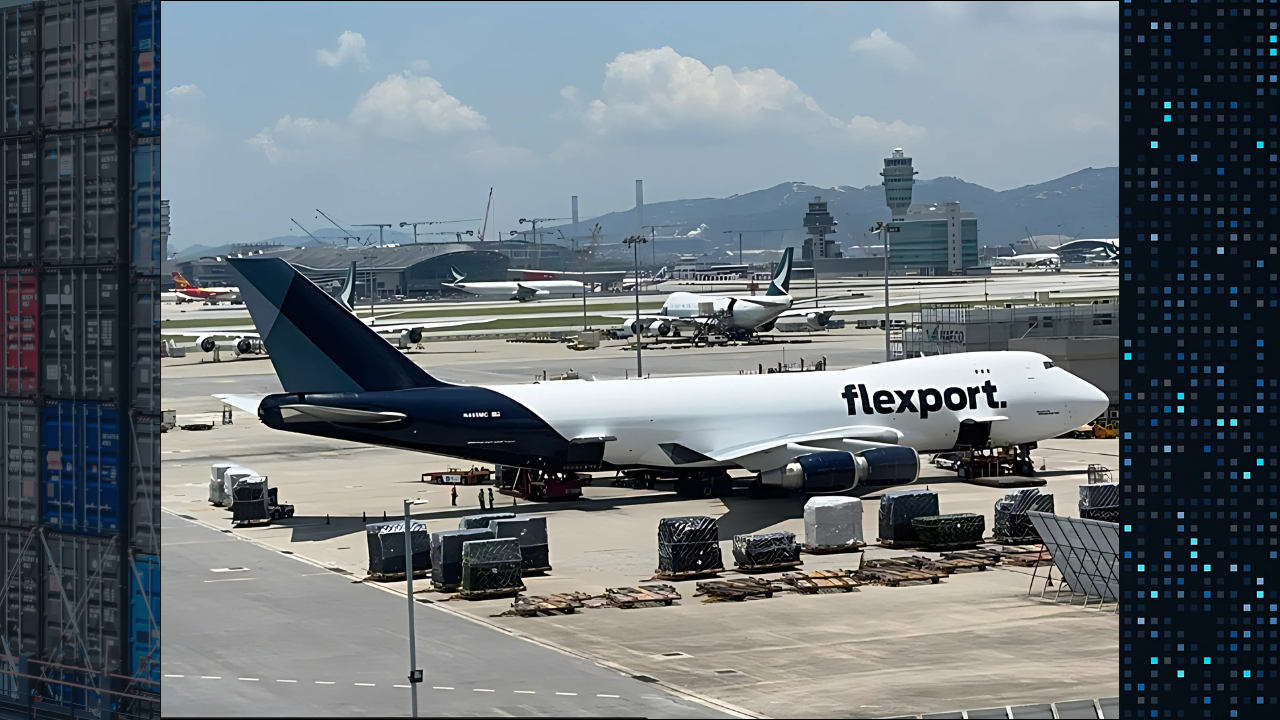
Flexport: Empowering Logistics by Maximizing Capability
Logistics is a fragmented world split into numerous interdependent operations, often influenced by volatility, changes in tariffs, & occasionally geopolitics (ex: current trade situation with Asia).
Since the adoption of cloud computing in the last decade, transportation companies have been putting more faith into allocating resources to digitize their work spaces with IoT devices, telematics & tools like TMS.
Just a few years ago, AI has been agressively introduced to the general public as a tool of the century, promising to optimize businesses - especially in functions involving a lot of logistics data.
Last year at the Freightwaves conference, CEO Craig Fuller interviewed Ryan Petersen, head of Flexport, and asked him what will the discussion around supply chain look like in five years. Petersen answered that the focus will be on how AI impacts businesses and optimizes data.
In this article, i will talk about Flexport's recent release of Control Tower, as well as how the company is shaping its mindset around AI integration. Flexport is a San Francisco based company founded in 2013, that offers business & legal services for freight companies. Its also one of the few companies that is seriously committed in leveraging AI to empower supply chain management.
Fundamentally, their analytics software assists businesses by fusing large amounts of data including satellite intel, transit schedules (also gps tracking), port activity (e.g. congestion data) & offers many tools like quoting systems which are essential in a time-sensitive environment that needs to adapt to things like tariffs changing unexpectadly, shipment re-routing & having a general idea of what the supply chain potentially looks like in the near future.
Analyzing markets, tracing, PO management...is what Flexport has been known for a while - a platform that helps logistics teams make quick, data-based decisions. Trying to help shipment operations separate signals from noise whether its helping optimize container loading, generating carrier performance analytics .., scorecards evaluating supplier reliability and much more.
Now you might think this is excessive - how could we know for instance, the shipment timing better than the Captains steering cargo ships...if we humans can barely predict a pizza delivery?
The fact of the matter is that as large language models keep improving, logistics companies like Flexport have an edge in supply chain data & are able to immerse machine learning algorithms into their platforms (often for specific customer needs). This facilitates leveraging logistics data to create cutting-edge analytics tools (like the dashboard creator) & provide quick action oriented insights of the global supply chain.
Once insight into the end-to-end pipeline of the entire logistics transaction (from the purchase order, all the way to the delivery) - is identified, the client can customize their stack/dashboard features for the specifics of their operations. Fundamentally, the platform gives a birds eye view on three crucial factors; Supply Chain Optimization, Order Control & Booking Control.
Natural Language Querying has been vital in creating a level playing field for everyone trying to leverage AI tools. By aggregating most of their features into one main central platform, Flexport allows users to prompt using plain english, where the AI then fires SQL queries, which then leads to the creation of visually rich reports.
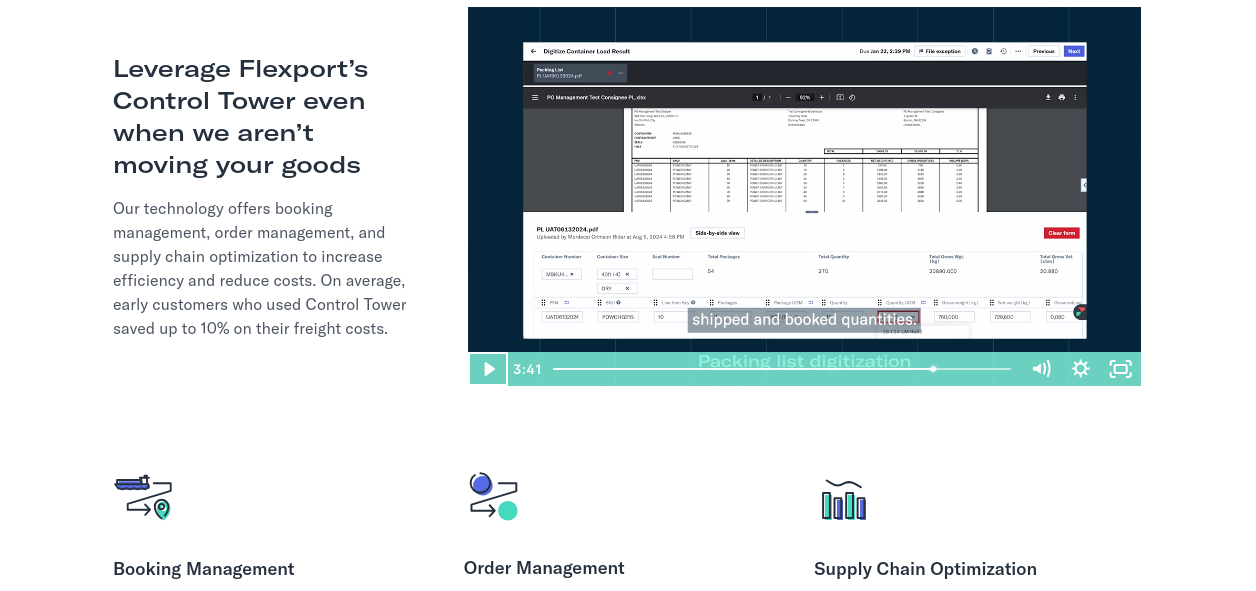
Besides assisting with supply chain strategy based on market conditions, the platform helps identifying inconsistency in shipments, inventory & other potential disruptions, thus maximizing logistical resiliency.
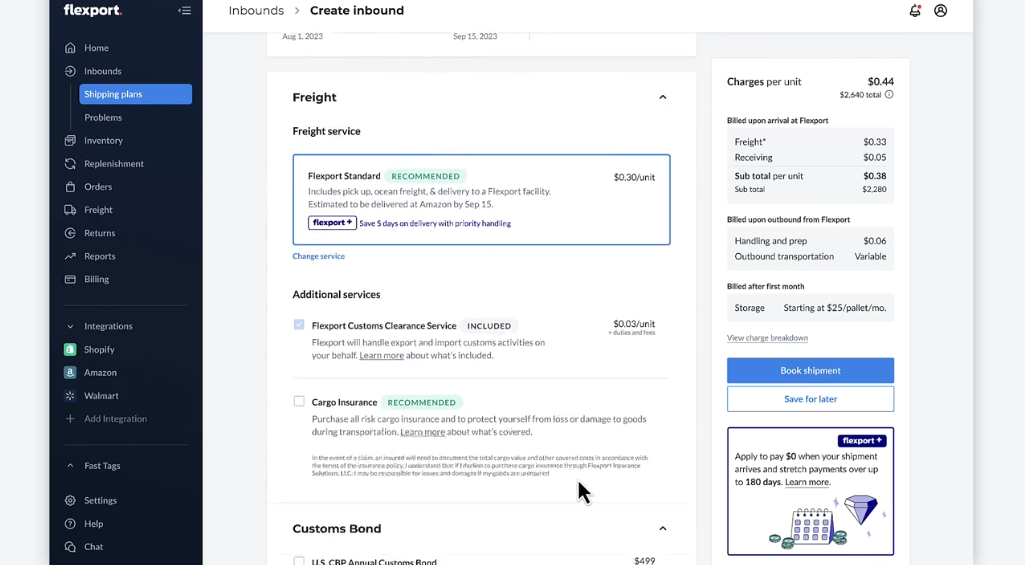
Another user friendly application Flexport offers is their Seller Portal, which essentially combines e-commerce platforms (like NetSuite & Shopify) with AI, generating a complete portal (tailored to your business environment) to optimize anything from distribution, fulfillment, to tasks like calculating duties and taxes - all under one command terminal.
One of Ryan Petersen's famous sayings goes along the lines that "hating bureaucracy, doesn't necessarily make bureaucray hide under a rock".
In today's vulnerabe supply chain world, subject to vectors like pandemics, geopolitics, documentation complexity & fraud, Flexport becomes a valuable partner to growing your business.
Flexport's commitment to build an advanced & data rich AI ecosystem, to empower both the technical and non-technical user - sets them apart as a supply chain management company.